Best Uptime Kuma Alternatives for SaaS Monitoring

Compare tools for uptime checks, SaaS monitoring, incident detection, and operational visibility.

Uptime Kuma is great for self-hosted uptime checks, but many technical teams outgrow it when they need SaaS outage intelligence, provider monitoring, historical incident context, and AI-assisted workflows. StatusGator is the strongest fit when you want visibility beyond your own infrastructure.
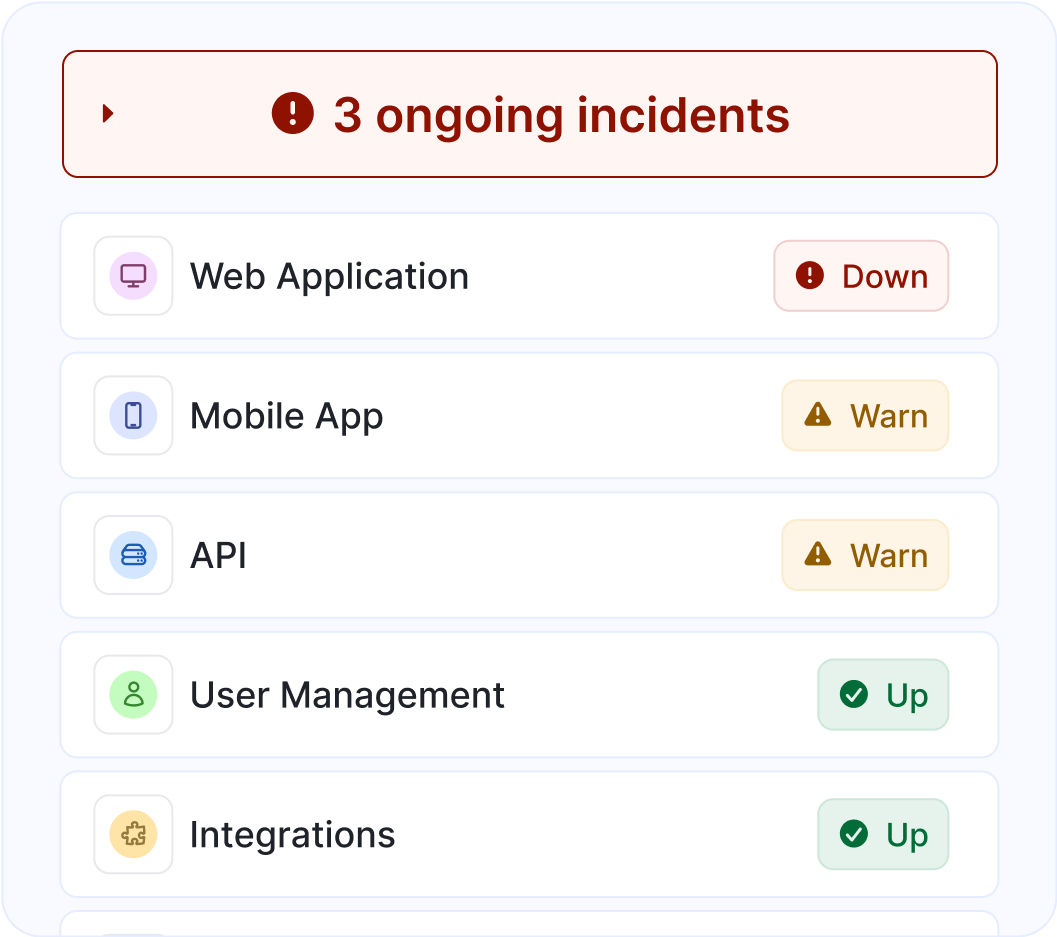
Uptime status dashboard

Uptime Kuma alternatives compared

A quick overview of the top monitoring and incident management tools.

Tool Hosting Best for Notes
Uptime Kuma Self-hosted Simple uptime checks, DIY monitoring, and technical users who want full control. Great starter tool, but focused on your own monitored endpoints rather than SaaS dependency visibility.
StatusGator Hosted SaaS outage intelligence, provider monitoring, early warning signals, and historical reliability analysis. Best when you need dependency monitoring and outage awareness beyond classic uptime checks.
Better Stack Hosted Incident routing, status pages, and modern monitoring workflows. Strong for teams that want a managed platform and incident tooling.
OneUptime Self-hosted Full-stack incident and monitoring workflows. More complex, more DevOps-heavy, and often chosen by teams wanting an open-source suite.
Gatus Self-hosted Lightweight checks, YAML-based configuration, Kubernetes-native setups. Popular with engineers who want a minimalist, code-first monitor.
Kener Self-hosted Status pages and monitoring for technical teams. Often mentioned in self-hosted discussions as a modern alternative.

Why teams look for Uptime Kuma alternatives

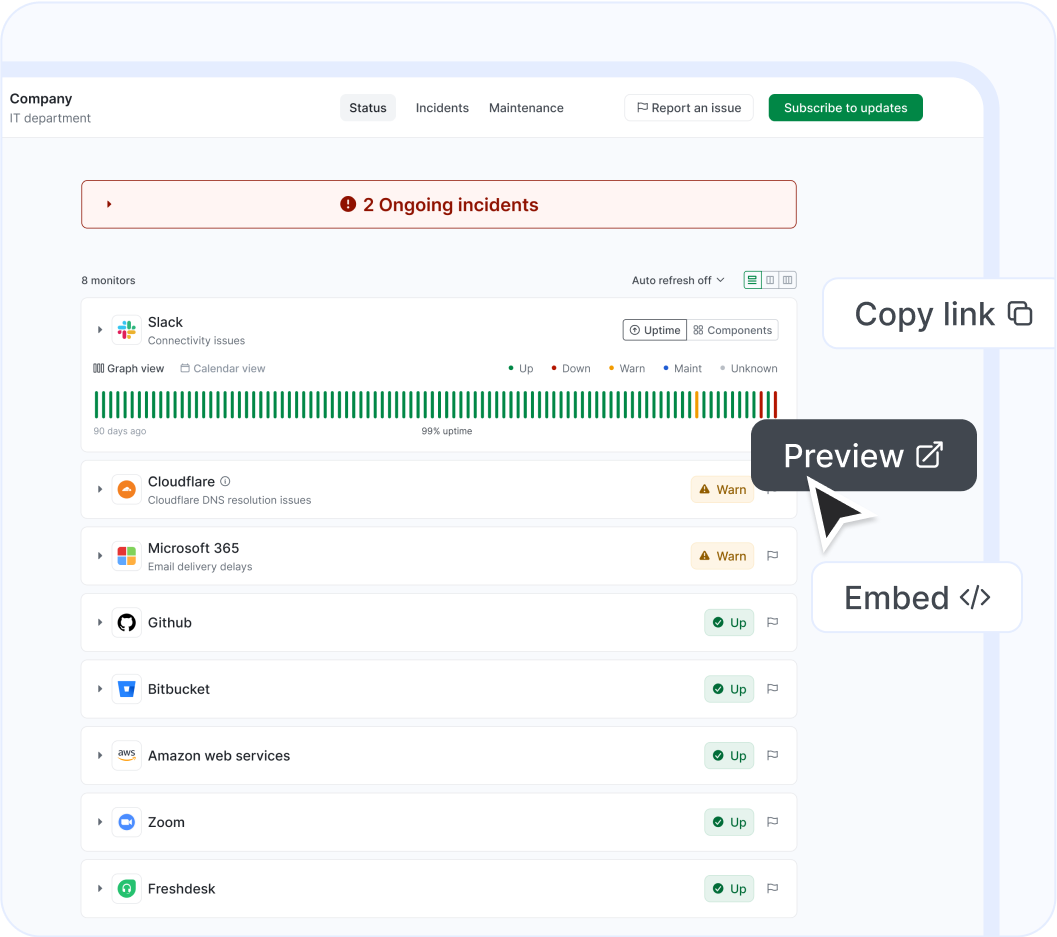
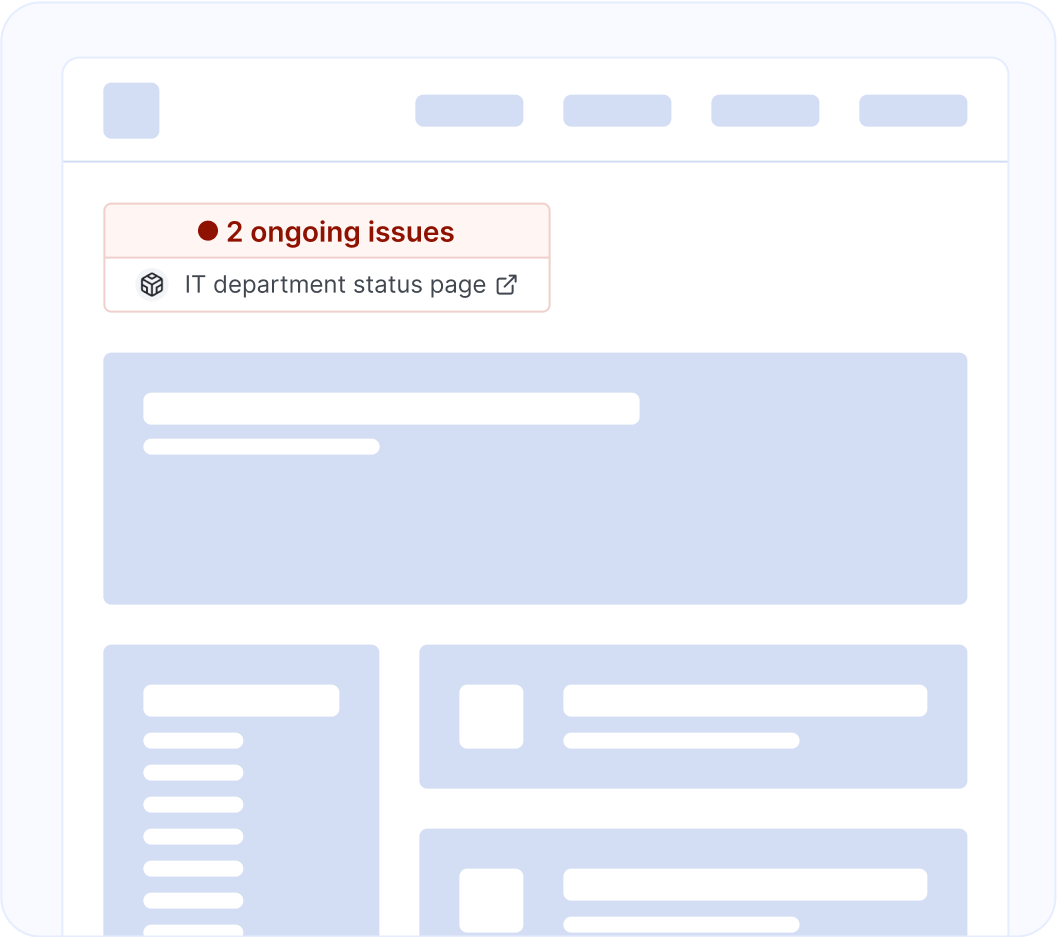
Status page with third-party statuses

People usually move away from Uptime Kuma for one of four reasons: they want less maintenance, more robust incident detection, SaaS visibility, or a tool that fits a larger operational workflow. Reddit discussions repeatedly surface themes like "what is lighter," "what is more enterprise-friendly," "what is better for external monitoring," and "what is worth switching to when the stack becomes more complex."

  • Less self-hosting overhead.
  • Better incident detection.
  • More SaaS and provider coverage.
  • Stronger alerting and workflows.
  • More reliable external visibility when your own infrastructure is down.
Compare Uptime Kuma alternatives

What Uptime Kuma does well, and where it stops

Uptime Kuma pros and cons

Uptime Kuma is a strong choice for basic uptime checks, self-hosters, and teams that want control over their own monitoring stack. The limitation is that it is still primarily a monitor-you-own-services tool, so it does not naturally solve third-party SaaS monitoring, vendor outage intelligence, or broader dependency visibility.

  • Great for simple checks and control.
  • Fits self-hosted environments.
  • Less suited for SaaS outage intelligence.
  • Requires you to run and maintain it.
  • Doesn't replace external dependency monitoring.

Why StatusGator is an Uptime Kuma alternative

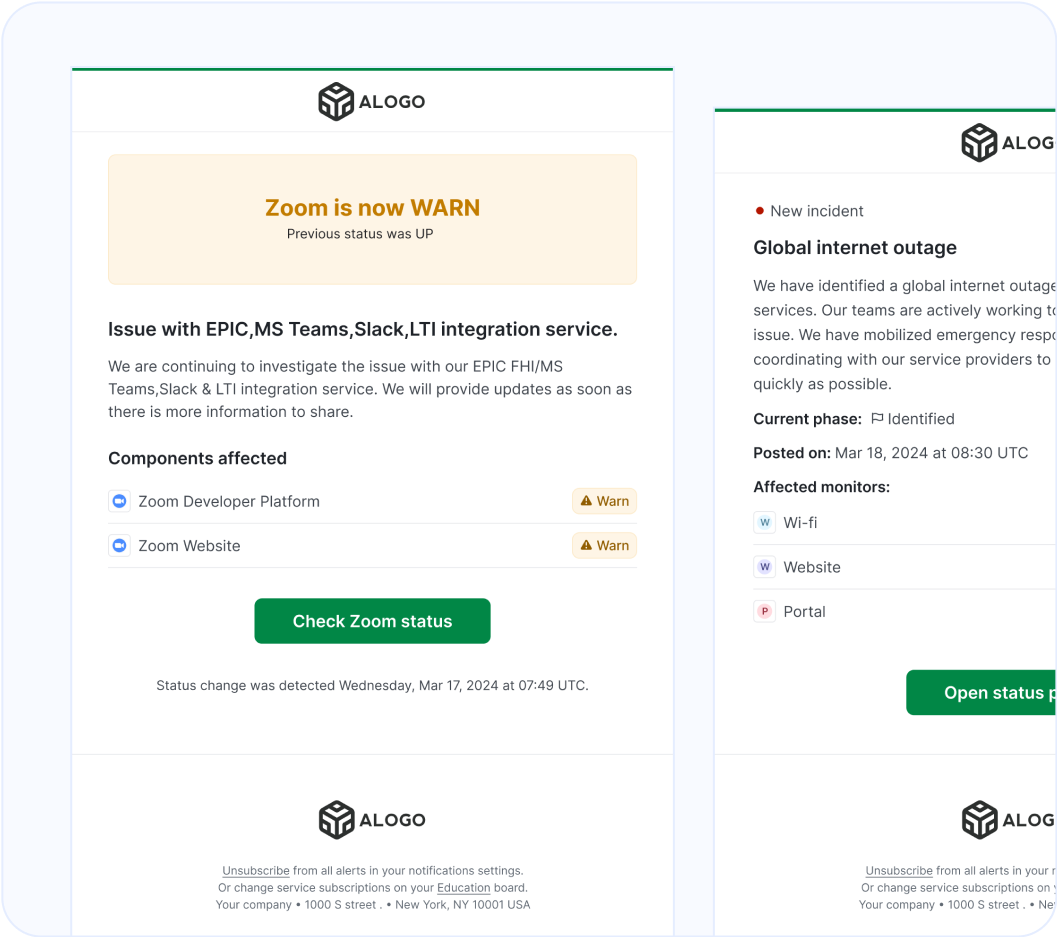
StatusGator page with outage details

StatusGator is not just another uptime monitor. It is designed for SaaS outage intelligence, provider monitoring, incident history, and Early Warning Signals, which makes it especially relevant for teams that depend on many third-party cloud services.

  • SaaS outage intelligence.
  • Provider monitoring across thousands of services.
  • Incident history and reliability analysis.
  • AI integrations via MCP.
  • Early Warning Signals for faster awareness.
Try for free

Move beyond uptime checks with AI-assisted workflows

The StatusGator MCP Server gives AI agents and LLM-powered workflows a structured way to query service status, manage monitors, and work with incidents. That makes it useful for teams experimenting with AI operations, copilots, and natural-language monitoring workflows.

Instead of only checking whether a server is up, technical teams can ask questions like which vendors are currently degraded, which services have the worst outage history, or which dependencies deserve more attention this week.

Ask for current status across monitored vendors.
Pull outage history for a specific service.
Create or update monitors through an AI workflow.
Review incidents in a machine-friendly format.

What self-hosters and DevOps users usually want

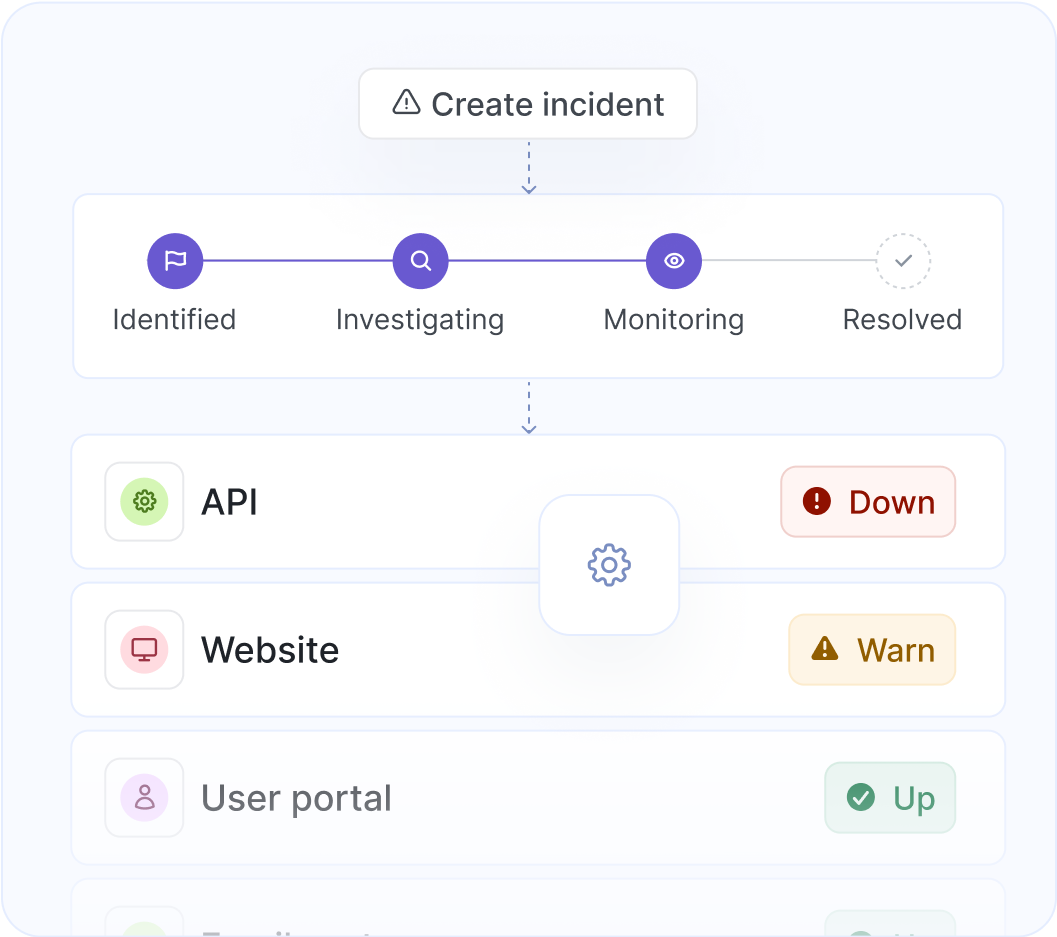
Incident detection workflow

The Reddit threads show a consistent pattern: users want alternatives that are lighter, more flexible, or more production-friendly than Uptime Kuma, and many are evaluating whether they should stay self-hosted or move to a hosted option. Common suggestions include Gatus, Kener, OneUptime, Prometheus-style stacks, and managed platforms for teams that no longer want to maintain the monitor itself.

Simplicity
Lower maintenance
Better alerting
More integrations
Stronger external monitoring
Optional self-hosting

What modern alternatives should offer

A strong Uptime Kuma alternative should do more than ping endpoints. It should include SaaS outage intelligence, provider monitoring, incident history, AI integrations, Early Warning Signals, and historical reliability analysis so teams can understand both current status and long-term patterns.

SaaS outage intelligence
Provider monitoring
Incident history
AI integrations
Early Warning Signals
Historical reliability analysis
Try for free

Which tool fits which team?

Uptime Kuma

Choose if you want a self-hosted, simple uptime checker.

Gatus

Choose if you want a lightweight, YAML-driven, self-hosted option.

Kener

Choose if you want a modern self-hosted monitoring/status page stack.

OneUptime

Choose if you want a more complete open-source incident platform.

Better Stack

Choose if you want a hosted modern monitoring and incident workflow platform.

StatusGator

Choose if you need SaaS monitoring, provider outage awareness, and dependency visibility beyond your own infrastructure.
Frequently asked questions

The best choice depends on whether you want self-hosted control, hosted convenience, or SaaS dependency visibility. Common options include Gatus, Kener, OneUptime, Better Stack, and StatusGator.
Yes, especially for self-hosted uptime checks and simple monitoring needs.
Hosted teams often compare Better Stack and StatusGator depending on whether they need incident workflows or SaaS outage intelligence.
Gatus, Kener, and OneUptime are common self-hosted choices, with different tradeoffs in complexity and scope.
Not as a one-to-one clone for DIY uptime checks, but it is a stronger fit if you need monitoring beyond infrastructure and into vendor outages and dependency visibility.

Compare modern alternatives to Uptime Kuma

If your monitoring needs have grown beyond basic uptime checks, compare the tools that add SaaS monitoring, provider intelligence, and operational visibility.